


Reconstructive surgery is a group of procedures performed to restore form and function to parts of the body affected by injury, disease, infection, cancer treatment, birth differences or earlier surgery. Unlike purely cosmetic surgery, its main aim is to repair, rebuild or improve how a body part works, while also restoring appearance as far as possible. It may involve skin grafts, local or distant flaps, tissue expansion, scar revision, microsurgery, tendon and nerve repair, or the use of implants.
Reconstructive surgery is highly individualised. The plan depends on the cause and extent of the defect, the location, the quality of the surrounding tissue, previous treatment, the patient’s general health, and the patient’s goals. Many reconstructions are done in stages, and more than one operation may be needed. Results vary, and surgery may not restore the body part to its original state.
A consultation with a qualified plastic surgeon helps determine which approach is appropriate for your condition, health and expectations, and when it should be done.


Reconstructive surgery can address a wide range of problems, depending on the patient’s condition and needs.


Consult with our specialist to understand your reconstructive surgery options and choose the right approach for your needs.
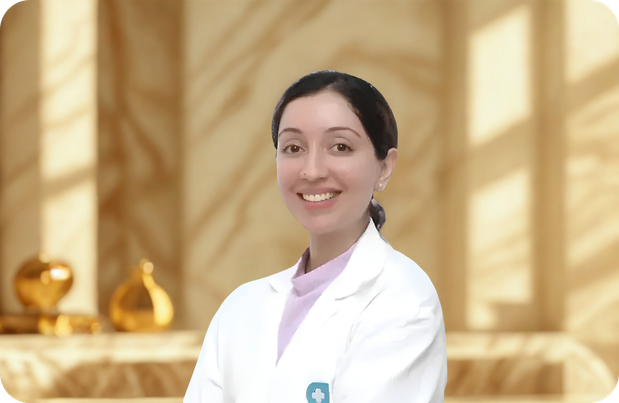
Reconstructive surgery focuses on restoring form and function following trauma, burns, birth defects, or cancer treatment. Dr. Priyanka Sharma coordinates comprehensive multidisciplinary care at Kaayantar to help patients regain their physical independence and confidence.

Advanced surgical interventions for complex soft-tissue defects, scars, and structural trauma.

Seamless collaboration with oncologists and trauma teams for comprehensive patient rehabilitation.

Complete administrative guidance on medical insurance coverage for medically necessary procedures.

Balancing tissue restoration with natural appearance and long-term functional recovery.

Dedicated postoperative rehabilitation, physical therapy guidance, and staged reviews.
Different techniques are used depending on the defect, the tissue available and the surgeon’s assessment.


Reconstructive surgery may be considered for patients of any age whose body structure or function has been affected by injury, disease or a condition present from birth. Suitability and timing depend on an individual medical assessment. Reconstructive surgery may be considered in the following situations:
Reconstructive surgery may not be possible or advisable immediately in people with uncontrolled infection, poor general health, poorly controlled diabetes, active cancer that needs treatment first, ongoing smoking or poor nutrition, which can affect healing. The timing is often planned together with other treatments. Any wound that does not heal, or a new or changing skin lesion, needs medical evaluation.
A consultation allows the surgeon to review your medical history, examine the affected area and decide which reconstruction, if any, is appropriate and when.
The exact procedure varies with the condition, the technique and the patient’s anatomy. The main stages generally include the following.
The surgeon discusses your condition, medical history, previous treatment, current medicines and goals. The affected area is examined, and tests or imaging may be advised. Photographs may be taken for planning.
If surgery is appropriate, you will receive instructions about medicines, food and fluid intake, smoking, nutrition and other preparations. Wounds may need to be cleaned and prepared first, and underlying problems may need to be controlled.
The type of anaesthesia depends on the extent and site of surgery. Local anaesthesia, regional anaesthesia, sedation or general anaesthesia may be considered as clinically appropriate.
The surgeon prepares the defect, and the planned technique is carried out. This may involve placing a graft, moving a flap, reconnecting blood vessels, repairing structures, releasing a scar or placing an implant or expander.
Once the reconstruction is complete, the incisions are closed and dressings are applied. Drains, splints or support garments may be used. Flaps and grafts are checked closely in the early period to make sure the tissue is healing well.
The duration of surgery and the length of hospital stay depend on the extent of the procedure, the anaesthesia used and your recovery immediately afterwards. Many reconstructions need staged procedures.
Recovery varies widely depending on the procedure, the site and the patient’s health. The operated area may be swollen, bruised and tender for a period. Your surgeon will provide instructions based on the extent of the procedure and your progress.
Some discomfort, swelling and bruising may occur. Take prescribed medicines as directed, keep dressings clean and dry, and follow instructions about rest, positioning and movement. After flaps or grafts, the area may need to be protected and checked often.
You will be given instructions for caring for wounds, donor sites, drains and dressings. Following these carefully reduces the chance of infection and helps the tissue heal.
After hand, limb or burn reconstruction, physiotherapy and exercises are often an important part of recovery. They help restore movement, strength and function and reduce stiffness.
Activities are resumed gradually, as advised. Strenuous exercise, heavy lifting and activities that strain the operated area should be avoided until your surgeon confirms that it is appropriate to return to them.
Swelling can take weeks to months to settle, and scars mature over many months. Grafts and flaps may change in colour and contour over time. The final result emerges gradually, and the time needed varies with individual healing.
Follow-up visits allow the surgeon to assess healing, monitor grafts and flaps, remove drains or stitches and address concerns. Contact your surgical team promptly if you develop increasing pain, spreading redness, fever, pus, bad smell, wound opening, or a flap or graft that turns pale, blue, dusky or cold. Breathing difficulty or chest pain requires urgent medical attention.
Good nutrition, stopping smoking, good control of conditions such as diabetes, and sun protection of scars can help the result settle well.
Reconstructive surgery aims to restore form and function that have been affected by injury, disease or a condition present from birth. Cosmetic surgery aims to improve appearance in a normal body part. The two can overlap, since reconstruction also aims for a natural appearance.
Dr. Priyanka Sharma provides expert reconstructive consultations and surgical care at Kaayantar in Ahmedabad. Patients can discuss restorative procedures, multi-specialty care coordination, and expected milestones in a private consultation.
Clinic Address: Kaayantar, Ground Floor, Urban Canopy, Chhanalal Joshi Road, Sindhu Bhavan Marg, PRL Colony, Bodakdev, Ahmedabad, Gujarat 380058.