Burns Treatment in Ahmedabad

Burns Treatment in Ahmedabad

Comprehensive Wound & Scar Care
Wound assessment
Infection control
Advanced dressings
Reconstructive care
Specialist evaluation

What Is Burns Treatment?

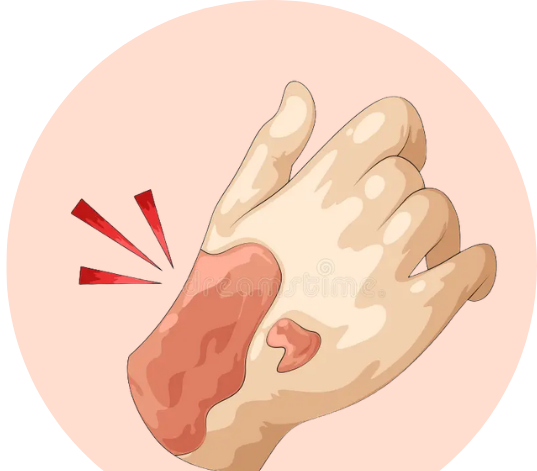
Burns are injuries to the skin and underlying tissues caused by heat, chemicals, electricity, radiation, or friction. The severity of a burn depends on its depth, size, location, and cause, as well as the person's age and overall health. Some burns affect only the outer layer of skin, while deeper burns can damage tissues beneath the skin and may require specialised medical care.

Burns treatment focuses on assessing the injury, relieving pain, preventing infection, supporting wound healing, and preserving the function of the affected area. Depending on the severity, treatment may involve cooling the burn, cleaning and dressing the wound, pain management, fluid replacement, removal of damaged tissue, or surgery such as skin grafting.

A minor burn may heal with appropriate first aid and wound care. More serious burns, particularly those involving the face, hands, feet, genitals, major joints, or a large area of the body, require prompt medical assessment. At Kaayantar, information about burns treatment in Ahmedabad helps patients and their families understand available approaches under specialist care.

Factors Affecting Burns Treatment

1
Depth, grade, and total body surface area affected
2
Requirement for debridement or skin grafting procedures
3
Specialized wound dressings and biological materials used
4
Location of burns (joints, face, or high-function areas)
5
Length of hospital stay and ongoing rehabilitation care
6
Patient's healing capacity and infection risk factors

Reasons to Seek Medical Treatment for Burns

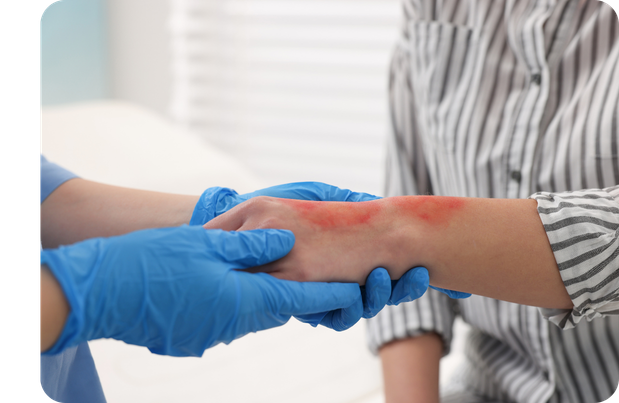
Appropriate assessment helps determine whether home care is sufficient or whether specialist medical treatment is needed.
1. Assess Depth & Extent

Accurately evaluate skin involvement and identify deeper tissue injuries requiring specialised clinical care.

2. Reduce Infection Risk

Protect vulnerable burned skin with sterile cleaning, proper dressings, and vigilant monitoring against bacteria.

3. Support Wound Healing

Maintain an optimal healing environment and monitor for delayed tissue closure or complications.

4. Manage Pain & Fluids

Control discomfort effectively and prevent circulatory complications linked to extensive fluid loss.

5. Preserve Function

Minimize scar tightness and joint movement restrictions across hands, neck, and critical flexure points.

6. Surgical Evaluation

Determine whether debridement or skin grafting is required for deep burns that cannot heal adequately on their own.
Consultation

Consult a Burns Specialist

Get expert care for burn injuries and guidance on suitable treatment options.

Why Choose Dr. Priyanka Sharma for Burns Treatment

Burns vary in depth, size, and severity, so treatment depends on the injury and the patient's overall condition. Assessment helps determine the level of care required and whether wound management, specialist treatment, or surgical intervention may be needed.

Assessment of Burn Severity
1. Assessment of Burn Severity

The depth, extent, location, and cause of the burn help guide treatment decisions.

Appropriate Wound Management
2. Appropriate Wound Management

Depending on the injury, treatment may include wound dressings, pain management, infection prevention, or other medically indicated care.

Evaluation for Surgical Treatment
3. Evaluation for Surgical Treatment

Some burns may require procedures such as removal of damaged tissue or skin grafting. The decision depends on the wound and clinical assessment.

Attention to Healing and Function
4. Attention to Healing and Function

Burns affecting joints, hands, face, or other sensitive areas may require particular attention to movement, scarring, and function during recovery.

Ongoing Review and Recovery Guidance
5. Ongoing Review and Recovery Guidance

Follow-up helps monitor healing and identify concerns that may require changes in treatment or rehabilitation.

Dr. Priyanka Sharma - Specialist

Types of Burns & Treatment Options

Treatment is selected based on the injury's cause, depth, size, location, and healing stage.
1. Superficial Burns

Affect outer skin layers (e.g., sunburn). Managed with cooling, pain relief, and simple care; usually heals without surgery.

2. Partial-Thickness Burns

Extend deeper with blisters and pain. Treated via wound cleaning, specialized dressings, and regular clinical review.

3. Full-Thickness Burns

Destroy skin depth, appearing leathery or charred with reduced sensation. Require urgent specialist surgical care.

4. Thermal Burns

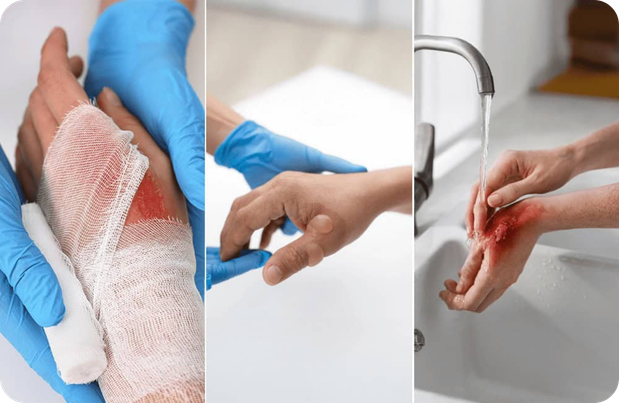
Caused by hot liquids or flames. Requires cool running water first aid (no ice or butter) followed by clinical evaluation.

5. Chemical & Electrical Burns

Hazardous exposures requiring immediate decontamination or emergency electrical assessment due to hidden tissue damage.

6. Surgical & Grafting Care

Debridement and skin grafting procedures designed to cover deep wounds and restore functional tissue boundaries.

Who Needs Specialist Burns Treatment?

Burns Treatment Suitability

Prompt medical assessment and specialist intervention are critical when burns meet specific risk criteria:

  • Sensitive Zones: Affecting the face, hands, feet, genitals, or major flexure joints.
  • Large Surface Area: Extensive skin coverage across the body.
  • Deep Tissue Damage: Appearing white, charred, leathery, or numb.
  • Hazard Source: Resulting from dangerous chemicals or electrical currents.
  • Airway Risk: Associated with smoke inhalation or breathing difficulty (requires emergency care).
  • Vulnerable Groups: Occurring in young children, elderly individuals, or compromised health profiles.

Seek emergency hospital care immediately for severe trauma, airway burns, or signs of shock—do not delay emergency measures for routine clinics.

How Is Burns Treatment Performed?

Care scales according to injury severity, progressing through structured clinical stages:

Step 1: Initial Assessment

Evaluating burn depth, size, location, vital signs, and checking for associated inhalation injury or shock.

Step 2: Stabilisation & First Aid

Prioritizing airway/circulation support, managing pain, replacing fluids, and protecting raw skin areas.

Step 3: Cleaning & Dressing

Gently cleaning wounds, managing blisters, and applying sterile protective dressings suited to the wound type.

Step 4: Monitoring & Care

Conducting follow-ups to track tissue healing, catch infections early, and adjust dressing protocols.

Step 5: Surgery & Rehabilitation

Performing debridement or skin grafting when necessary, followed by scar management and physiotherapy.

Frequently Asked Questions

1. When should I seek medical attention for a burn?

Seek care for deep, extensive, chemical, or electrical burns, sensitive area involvement, or wounds showing infection signs.

2. What should I do immediately after a burn?
3. Can all burns be treated at home?
4. Do burns always require surgery?
5. What is skin grafting for burns?
6. How long does a burn take to heal?
7. Can burns leave permanent scars?
8. How can I reduce infection risk?
9. Can movement be affected after a burn?
10. Are chemical burns different from thermal?
11. What affects treatment cost in Ahmedabad?
12. Can old burn scars be treated?

Consultation for Burns Treatment at Kaayantar

Burn injuries require structured assessment and specialized wound care to ensure optimal functional recovery. Dr. Priyanka Sharma at Kaayantar provides expert guidance and evaluations for burn aftermaths and scar management.

Clinic Address: Kaayantar, Ground Floor, Urban Canopy, Chhanalal Joshi Road, Sindhu Bhavan Marg, PRL Colony, Bodakdev, Ahmedabad, Gujarat 380058.