

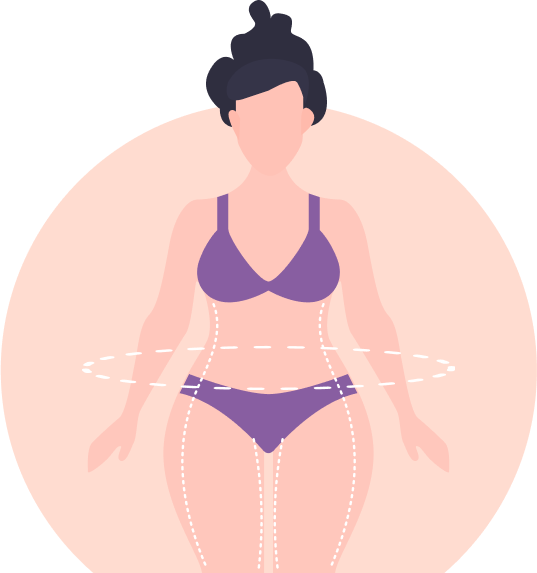
Liposuction is a cosmetic surgical procedure used to remove localised subcutaneous fat deposits from specific areas of the body through small incisions using a thin instrument called a cannula. Depending on the technique selected, the fat may be loosened or broken down before it is suctioned out. It is commonly considered for areas where fat remains despite regular physical activity and balanced eating habits, with the aim of improving body contours and proportions.
Liposuction focuses on shaping selected areas rather than treating overall weight. It does not treat obesity or remove visceral fat located deep inside the abdomen around the internal organs. The choice of technique, the amount of fat removed and the expected outcome depend on factors such as body composition, skin elasticity, medical history and the area being treated. When skin has significant looseness, removing fat alone may not address the concern, and another procedure may need to be discussed.A consultation with a qualified plastic surgeon helps determine the appropriate approach based on the patient's anatomy, health and expectations.




Liposuction can be performed on different areas of the body, depending on the distribution of fat and the patient's suitability for surgery.
Find the total cost of surgery with the best surgeon in your city



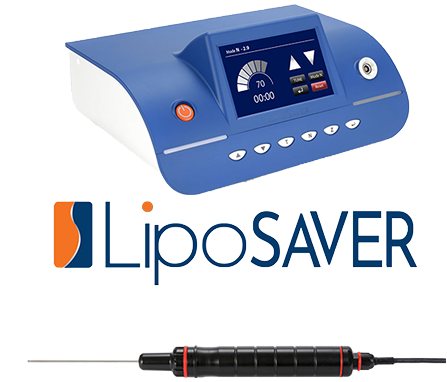
Different liposuction techniques use different methods to loosen or remove fat. The appropriate option depends on the treatment area, the amount and distribution of fat, the patient's health and the surgeon's assessment.



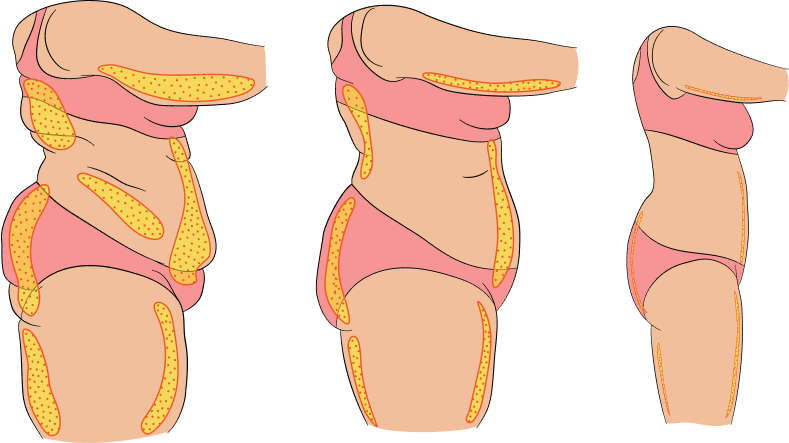
Liposuction may be considered for adults who have localised fat deposits that affect the contours or proportions of specific body areas. The procedure may be an option when these deposits remain despite maintaining a healthy lifestyle. Suitability depends on an individual medical assessment rather than body weight alone.
Liposuction may not be appropriate for people with significant skin laxity, substantial weight fluctuations or medical conditions that increase surgical risk. It does not correct separated abdominal muscles or remove significant excess skin.
The exact procedure varies according to the treatment area, the amount of fat being removed and the selected technique. The main stages generally include:
The surgeon discusses your goals, medical history, current medicines and previous surgeries. The areas to be treated are examined, and factors such as skin elasticity, fat distribution and general health are assessed.
If surgery is appropriate, you will receive instructions about medicines, food and fluid intake, smoking and other preparations. Necessary investigations are arranged according to your health and the planned procedure.
The type of anaesthesia depends on the extent of surgery and the areas being treated. Local anaesthesia, sedation or general anaesthesia may be considered as clinically appropriate.
Small incisions are made in the planned treatment areas. A cannula is inserted to loosen and remove fat using the selected technique. The surgeon works carefully to address the targeted deposits and maintain appropriate body contours.
Once the planned fat removal is complete, the incisions are managed according to the surgical approach. A compression garment may be applied to help support the treated area and manage swelling.
No. Liposuction is a body-contouring procedure designed to remove localised fat deposits. It is not intended to treat obesity or replace a healthy diet, physical activity or medically supervised weight management.
Dr. Priyanka Sharma provides expert plastic surgery consultations at Kaayantar in Ahmedabad. Patients can discuss personal body-contouring goals, custom treatment selections, safety parameters, and expected timelines in a private consultation.
Clinic Address: Kaayantar, Ground Floor, Urban Canopy, Chhanalal Joshi Road, Sindhu Bhavan Marg, PRL Colony, Bodakdev, Ahmedabad, Gujarat 380058.