

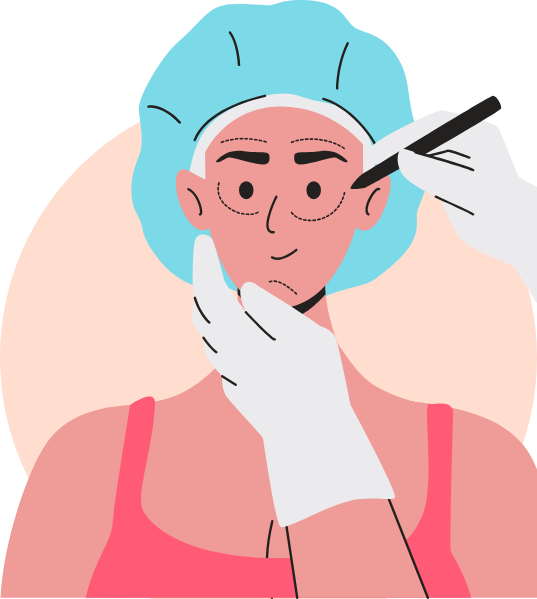
Facelift surgery, also known as rhytidectomy, is a cosmetic surgical procedure that addresses selected signs of ageing in the face, particularly sagging skin and changes in the cheeks, jawline and lower face. The procedure involves repositioning or supporting underlying tissues and removing selected excess skin to improve facial contours.
As the face ages, skin elasticity decreases and the distribution of fat and supporting tissues changes. These changes may contribute to deeper folds around the mouth, sagging along the jawline and loose skin in the lower face. The extent of these changes varies from person to person and depends on factors such as genetics, sun exposure, smoking and natural ageing.
A facelift is not designed to address every facial concern. It does not directly correct all fine lines, uneven skin tone, pigmentation or changes in skin texture. During consultation, Dr. Priyanka Sharma can assess facial anatomy, skin laxity and individual goals to determine whether facelift surgery may be appropriate.
Facelift surgery may be considered when changes in the face become more pronounced and non-surgical treatments are insufficient.
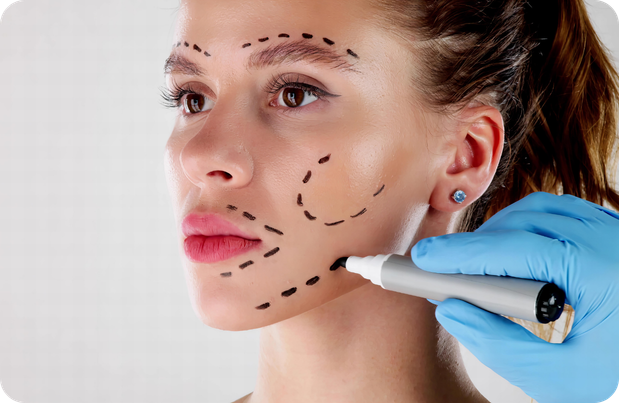
Learn how facelift surgery can address sagging skin, deep folds, and changes in your jawline. Discuss suitable techniques and recovery with Dr. Priyanka Sharma.
Facelift surgery is intended to address selected signs of facial ageing, particularly changes involving sagging skin and underlying facial tissues. Consultation with Dr. Priyanka Sharma provides an opportunity to assess facial anatomy, discuss surgical options, and understand the recovery process, potential scars, and risks.

The consultation considers skin laxity, facial contours, tissue changes, medical history, and the patient's concerns.

The suitable technique depends on the areas being addressed, the degree of tissue laxity, and the patient's clinical suitability.

Patients can discuss the changes surgery may address, the concerns it may not correct, and the fact that ageing continues after surgery.

Possible complications, including bleeding, infection, changes in sensation, scarring, and facial nerve injury, should be discussed before surgery.

Patients receive guidance about swelling, bruising, wound care, activity restrictions, and postoperative reviews.

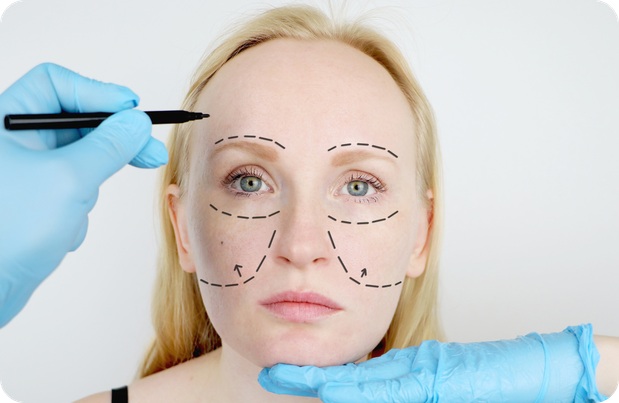
Different techniques target specific facial zones based on anatomy, tissue laxity, and desired correction levels.
Suitability relies on general health, tissue characteristics, and realistic expectations rather than age alone:
Smokers face heightened wound-healing risks and must follow strict cessation instructions. A facelift does not halt natural ageing processes.
Customized to individual anatomy and chosen technique, standard procedural stages include:
Evaluating medical profile, skin laxity, tissue position, and target zones across the face and neck.
Selecting techniques, mapping incision coordinates, and reviewing potential limitations and scars.
Arranging health screenings, medication checks, smoking cessation guidelines, and home recovery support.
Administering chosen anaesthesia (often general) and placing precise incisions around ears and hairline.
Repositioning supporting layers, excising redundant skin, closing with fine sutures, and applying initial dressings.
Costs vary based on technique complexity, extent of correction, facility fees, and anaesthesia requirements assessed during consultation.
Facial ageing involves intricate shifts in tissue laxity and contours. If you are considering a facelift, a consultation with Dr. Priyanka Sharma at Kaayantar will provide a comprehensive evaluation of your goals, technique options, and recovery roadmap.
Clinic Address: Kaayantar, Ground Floor, Urban Canopy, Chhanalal Joshi Road, Sindhu Bhavan Marg, PRL Colony, Bodakdev, Ahmedabad, Gujarat 380058.