
Eyelid Surgery in Ahmedabad

Eyelid Surgery in Ahmedabad

Blepharoplasty & Eye Contour Care
Upper & lower lids
Vision support
Precise tissue planning
Bespoke assessment
Expert surgical care

What Is Eyelid Surgery?

Eyelid surgery, also known as blepharoplasty, is a surgical procedure used to remove or reposition excess skin and, where appropriate, adjust fat or other tissues around the upper or lower eyelids. It may be considered when loose eyelid skin, puffiness, or under-eye bags affect the appearance of the eyes. In some cases, excess upper eyelid skin can also interfere with the upper field of vision.

Changes around the eyes can develop with ageing, genetics, and variations in skin and tissue structure. Some people notice drooping upper eyelid skin, while others are concerned about puffiness beneath the eyes or a tired appearance that persists even when they are well rested. Eyelid surgery in Ahmedabad may be suitable for selected patients who want to address these concerns through a surgical approach.

A consultation helps determine the cause of the concern, whether surgery is appropriate, and what changes can reasonably be expected. Eye health, eyelid function, dry-eye symptoms, medications, and previous eye procedures are important considerations when planning treatment with Dr. Priyanka Sharma.

Factors Affecting Eyelid Surgery

1
Scope of procedure (upper, lower, or double eyelid surgery)
2
Amount of excess skin, muscle, or fat deposits removed
3
Presence of functional visual field obstruction
4
Precision required for symmetrical structural repair
5
Type of local/general anesthesia and facility setup
6
Individual eye structure and healing history

Reasons to Consider Eyelid Surgery

Eyelid surgery may be considered when excess skin or tissue changes around the eyes cause specific cosmetic or functional concerns.
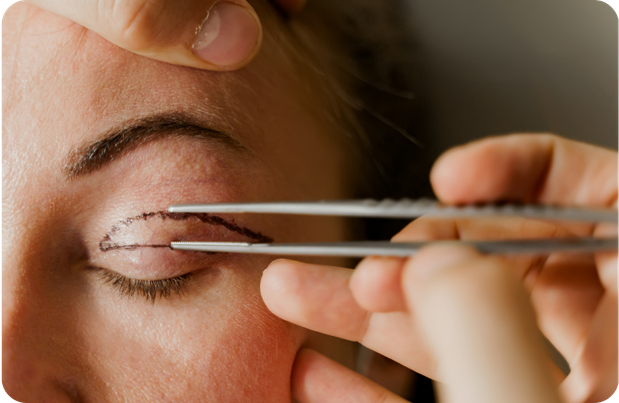
1. Upper Eyelid Excess Skin

Removes or repositions loose upper eyelid skin that creates a hooded appearance, ensuring safe closure.

2. Under-Eye Puffiness

Addresses prominent or shifted fat beneath the eyes, smoothing lower eyelid contours carefully.

3. Tired or Heavy Look

Improves persistent tired appearances resulting from excess eyelid skin or prominent fat pockets.

4. Skin Overhang

Corrects excess upper eyelid skin extending past the natural crease line and obscuring details.

5. Functional Vision Issues

Relieves upper field vision obstructions caused by heavy skin hanging over the eyelashes.

6. Age-Related Changes

Maintains natural eye shapes while addressing structural tissue distribution shifts over time.
Consultation

Find Out If Eyelid Surgery Is Right for You

Discuss your eyelid concerns with Dr. Priyanka Sharma and understand which treatment options may be suitable for you.

Why Choose Dr. Priyanka Sharma for Eyelid Surgery

Eyelid surgery, or blepharoplasty, may be considered to address excess eyelid skin or selected concerns involving the appearance or function of the eyelids. Consultation with Dr. Priyanka Sharma helps assess the eyelid anatomy, clarify the treatment goal, and explain the procedure, recovery, and potential risks.

Assessment of Eyelid Anatomy
1. Assessment of Eyelid Anatomy

The consultation considers excess skin, eyelid position, tissue changes, medical history, and the concerns the patient wishes to address.

Clarification of Treatment Goals
2. Clarification of Treatment Goals

Patients can discuss whether the concern involves the upper eyelids, lower eyelids, or both, and what surgery may reasonably achieve.

Discussion of Functional Considerations
3. Discussion of Functional Considerations

Where relevant, eyelid position and visual symptoms may require additional assessment or referral to an appropriate eye specialist.

Explanation of Risks and Scarring
4. Explanation of Risks and Scarring

Potential complications include bruising, swelling, dry eyes, asymmetry, scarring, and changes in eyelid position.

Recovery and Follow-up Support
5. Recovery and Follow-up Support

Patients receive guidance on wound care, activity restrictions, healing, and symptoms that require medical attention.

Dr. Priyanka Sharma - Specialist

Types of Eyelid Surgery

Techniques vary based on upper, lower, or combined eyelid requirements and individual anatomical structures.
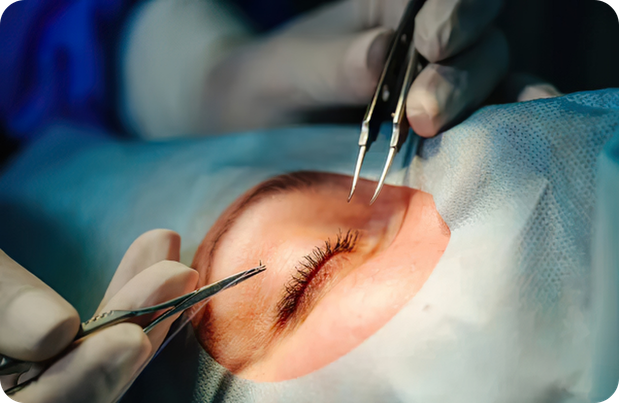
1. Upper Eyelid Surgery

Incision placed within the natural crease to remove excess skin and adjust tissue while protecting eye closure.

2. Lower Eyelid Surgery

Targets under-eye bags and fat prominence via incisions beneath lashes or inside the lower eyelid.

3. Combined Upper & Lower

Treats both upper and lower eyelids in a single operation when mutually indicated and medically safe.

4. Transconjunctival Approach

Internal eyelid incision leaving no external skin marks, suited primarily for prominent fat correction without loose skin.

5. Fat Repositioning

Shifts prominent fat to soften boundaries between lower eyelids and cheek hollows or shadows.

6. Combined Facial Procedures

Integrated occasionally with brow lifts when multiple facial aging points require coordination.

Who May Be Suitable for Eyelid Surgery?

Eyelid Surgery Suitability

Suitability depends on anatomy, physical health, eye condition, and clear treatment expectations:

  • Skin Overhang: Persistent upper eyelid skin heaviness or visual disruption.
  • Under-Eye Bags: Notable puffiness or fat protrusion in the lower lids.
  • Realistic Goals: Understanding that surgery addresses tissue changes but does not stop aging.
  • Medical Fitness: Absence of unmanaged dry eyes, thyroid eye complications, or bleeding risks.
  • Compliance: Ability to follow recovery guidelines and attend follow-up visits.

Unexplained sudden eye changes, double vision, or severe dry eyes require medical investigation prior to cosmetic consideration.

How Is Eyelid Surgery Performed?

Conducted with meticulous care around delicate structures, the standard procedure follows these steps:

Step 1: Consultation & Eye Assessment

Reviewing medical history, dry eye signs, visual symptoms, skin excess, and eyelid position.

Step 2: Surgical Planning

Mapping tissue targets, incision lines, and ensuring precise removal volumes to preserve eye closure.

Step 3: Preoperative Preparation

Providing instructions on medications, transportation, fasting, and verifying eye comfort readiness.

Step 4: Anaesthesia & Incisions

Administering local anaesthesia (with or without sedation) or general anaesthesia, followed by precise incisions.

Step 5: Tissue Adjustment & Closure

Removing or repositioning excess skin and fat safely, closing wounds, and providing recovery instructions.

Frequently Asked Questions

1. What is eyelid surgery?

Blepharoplasty removes or repositions excess skin and tissue around upper or lower eyelids to improve appearance or vision.

2. Difference between upper and lower surgery?
3. Can eyelid surgery remove dark circles?
4. Is the procedure painful?
5. How long does recovery take?
6. Will eyelid surgery leave scars?
7. Can it improve vision?
8. How long do results last?
9. Who should avoid or delay surgery?
10. Can upper and lower procedures be combined?
11. What are the potential risks?
12. How much does it cost in Ahmedabad?

Meet Dr. Priyanka Sharma at Kaayantar

Eyelid surgery demands precision to balance both ocular protection and facial harmony. Dr. Priyanka Sharma at Kaayantar provides comprehensive eye-zone assessments to determine whether upper or lower blepharoplasty is right for your unique anatomy.

Clinic Address: Kaayantar, Ground Floor, Urban Canopy, Chhanalal Joshi Road, Sindhu Bhavan Marg, PRL Colony, Bodakdev, Ahmedabad, Gujarat 380058.