Lipoma Removal Surgery in Ahmedabad

Lipoma Removal Surgery in Ahmedabad

Excision & Soft-Tissue Mass Treatment
Minor surgical excision
Tissue evaluation
Minimal scarring
Bespoke planning
Expert surgical care

What Is Lipoma Removal Surgery?

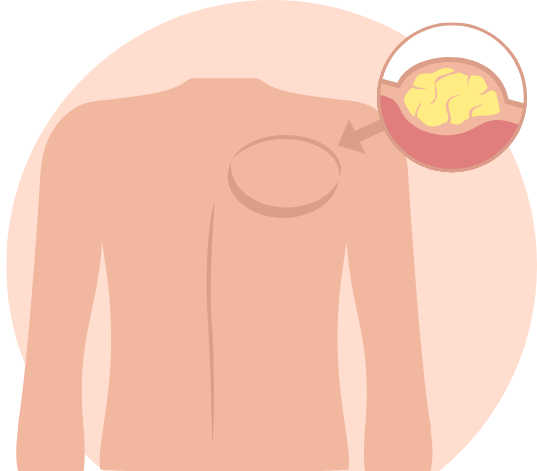
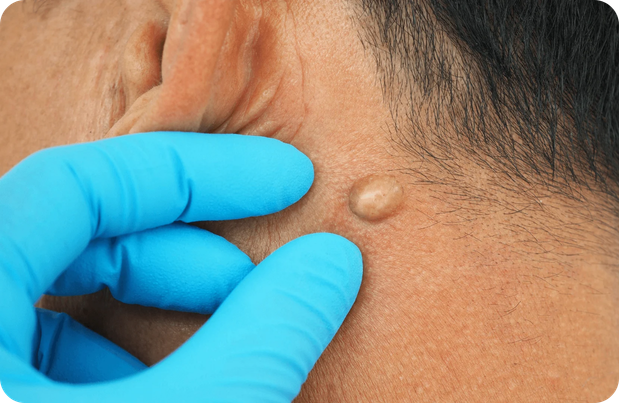
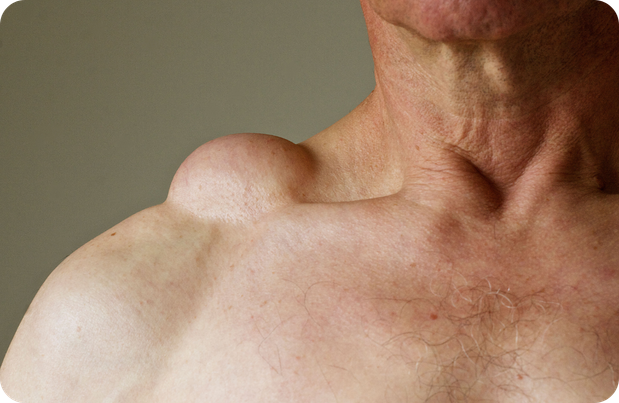
A lipoma is a non-cancerous growth made up of fat cells that develops beneath the skin. It usually feels soft, moves slightly when touched, and grows slowly. Lipomas commonly appear on the neck, shoulders, back, arms, thighs, or torso. Most are painless and do not require removal unless they cause discomfort, restrict movement, increase in size, or create another clinical concern.

Lipoma removal surgery involves removing the growth through an incision in the skin. The approach depends on the size, depth, location, and characteristics of the lump. Many superficial lipomas can be removed through a minor surgical procedure under local anaesthesia. Larger, deeper, or unusually located lumps may require further investigation and a different surgical plan.

Not every lump beneath the skin is a lipoma. At Kaayantar, patients considering lipoma removal surgery in Ahmedabad receive an assessment of the lump, an explanation of available treatment options, and clear information about recovery and expected results under Dr. Priyanka Sharma.

Factors Affecting Lipoma Removal Surgery

1
Size, depth, and anatomical location of the lipoma
2
Single vs. multiple lipomas requiring excision
3
Surgical technique (excision vs. minimal-incision technique)
4
Need for diagnostic histopathology / lab analysis
5
Type of local or general anesthesia required
6
Patient's medical condition and wound healing capacity

Reasons to Consider Lipoma Removal

Most lipomas do not need treatment, but removal may be considered when symptoms or changes develop.
1. Pain or Tenderness

Discomfort caused when a growth presses against surrounding nerves or sits under friction/pressure points.

2. Increase in Size

Noticeable growth over time requiring clinical evaluation to confirm its soft-tissue nature.

3. Restricted Movement

Interference with normal joint movement or muscle action due to a deep or large mass location.

4. Repeated Pressure

Irritation along the waistline, back, or shoulders caused by clothing and equipment friction.

5. Diagnostic Confirmation

Obtaining tissue diagnosis and histopathological clarity when lump characteristics are uncertain.

6. Personal Relief

Addressing prominent visible or palpable lumps following a clear explanation of options and scars.
Consultation

Consult for Lipoma Removal

Get expert advice on lipoma removal surgery and explore suitable treatment options.

Why Choose Dr. Priyanka Sharma for Lipoma Removal Surgery

A lipoma is a growth of fatty tissue that is usually benign. Removal may be considered when a lump causes discomfort, restricts movement, changes in appearance, or requires further evaluation. Consultation helps establish whether the lump is consistent with a lipoma and whether removal is appropriate.

Assessment of the Lump
1. Assessment of the Lump

The consultation considers the lump's size, location, growth pattern, tenderness, and other clinical features.

Review of Diagnostic Requirements
2. Review of Diagnostic Requirements

Some lumps may require imaging or additional investigation before treatment, particularly when their features are unusual or the diagnosis is uncertain.

Discussion of the Removal Procedure
3. Discussion of the Removal Procedure

Patients can learn about the proposed technique, anaesthesia requirements, incision placement, and whether the procedure can be performed as a minor surgical intervention.

Explanation of Risks and Scarring
4. Explanation of Risks and Scarring

Possible complications include bleeding, infection, scarring, changes in sensation, and recurrence depending on the type and location of the lump.

Aftercare and Follow-up
5. Aftercare and Follow-up

Wound care instructions and follow-up help monitor healing. Removed tissue may be sent for examination when clinically indicated.

Dr. Priyanka Sharma - Specialist

Types of Approaches & Treatment Options

Care is selected strictly based on the lump's size, depth, location, and structural characteristics.
1. Superficial Excision

Minor surgical removal of soft, mobile subcutaneous lumps under quick local anaesthesia.

2. Large Lipoma Excision

Requires precise surgical dissection and wound closure to remove extensive soft-tissue masses.

3. Deep / Intramuscular

Imaging-guided surgical removal of masses situated deep within or underneath muscle structures.

4. Multiple Lipomas

Evaluation and staged treatment plan for individuals presenting with multiple growths across the body.

5. Complete Capsule Removal

Removing the mass along with its surrounding fibrous capsule where feasible to minimize recurrence.

6. Observation Approach

Routine clinical monitoring when a diagnosed lipoma causes no symptoms and requires no surgery.

Who May Be Suitable for Lipoma Removal Surgery?

Lipoma Removal Suitability

Suitability is based on diagnosis, lump characteristics, location, and clinical necessity:

  • Confirmed Diagnosis: Lumps evaluated as lipomas causing pain, pressure, or movement limits.
  • Growth Changes: Enlarging growths or lumps requiring diagnostic biopsy/clarification.
  • Health Readiness: Medically cleared to safely undergo minor local or general surgery.
  • Realistic Expectations: Understanding scar placement and potential recurrence factors.
  • Prompt Evaluation Needed: Lumps that feel hard, fixed, grow rapidly, or recur require immediate investigation.

Patients must disclose medical conditions, bleeding tendencies, and current medications before proceeding with surgical excision.

How Is Lipoma Removal Surgery Performed?

Performed with meticulous surgical precision, standard treatment stages include:

Step 1: Clinical Examination

Evaluating lump history, size, depth, mobility, and symptom presence on physical assessment.

Step 2: Diagnostic Imaging

Ordering ultrasound or MRI scans when depth or diagnosis requires confirmation before surgery.

Step 3: Planning & Anaesthesia

Setting scar boundaries, explaining risks, securing consent, and administering local or general anaesthesia.

Step 4: Surgical Excision

Incising the skin, dissecting tissues, and removing the growth along with its capsule safely.

Step 5: Wound Closure & Testing

Closing with fine sutures, dressing the site, and sending tissue for histopathology examination when indicated.

Frequently Asked Questions

1. What is a lipoma?

A non-cancerous growth of fat cells located beneath the skin that grows slowly and feels soft and mobile.

2. Does every lipoma need to be removed?
3. Is lipoma removal surgery painful?
4. Will there be a scar?
5. Can a lipoma grow back after removal?
6. How long does recovery take?
7. Is an ultrasound or MRI necessary?
8. Is lipoma removal the same as liposuction?
9. Can multiple lipomas be removed in one session?
10. Will the removed tissue be tested?
11. What affects treatment cost in Ahmedabad?
12. When should I be concerned about a lump?

Consultation for Lipoma Removal at Kaayantar

Subcutaneous lumps require thorough clinical assessment before surgical decisions. Dr. Priyanka Sharma at Kaayantar provides comprehensive evaluation, diagnostic imaging guidance, and precise excision care for soft-tissue growths.

Clinic Address: Kaayantar, Ground Floor, Urban Canopy, Chhanalal Joshi Road, Sindhu Bhavan Marg, PRL Colony, Bodakdev, Ahmedabad, Gujarat 380058.