

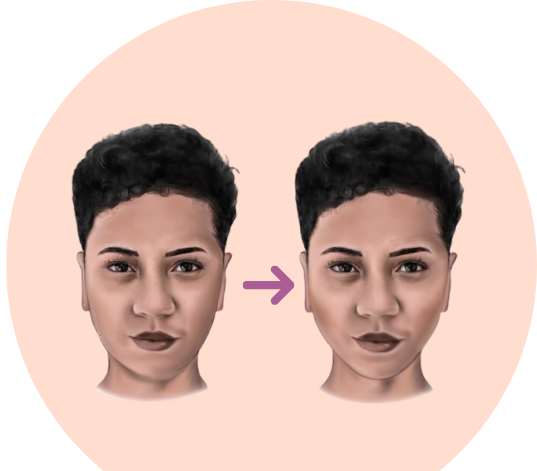
Buccal fat removal is a surgical procedure that reduces the buccal fat pads, which are natural pockets of fat located in the lower cheeks. These fat pads contribute to the fullness of the cheeks and vary in size from person to person. In selected individuals, removing a portion of this fat may create a more defined transition between the cheeks and the lower face.
The procedure is performed through small incisions inside the mouth, so it generally does not leave an external facial incision. The amount of fat removed depends on the individual's facial anatomy, existing cheek volume, skin quality, and treatment goals. Removing too much fat can result in an overly hollow appearance, particularly as facial volume naturally decreases with age.
Buccal fat removal is not a weight-loss procedure, and it is not suitable for everyone with full cheeks. At Kaayantar, patients considering buccal fat removal in Ahmedabad receive clear information about the procedure, limitations, and long-term effects of reducing facial fat before deciding whether to proceed under Dr. Priyanka Sharma.
Buccal fat removal is a selective facial surgery for adults whose cheek fullness relates specifically to prominent buccal fat pads.

Learn how buccal fat removal can help create a more defined facial appearance.
Buccal fat removal is a surgical procedure that removes part of the fat pad in the lower cheek. It may be considered by selected adults who want to address cheek fullness, but suitability depends on facial anatomy, age, and expectations. A consultation helps patients understand the procedure and its long-term implications.

The consultation considers cheek fullness, facial proportions, existing volume, and the patient's reasons for considering surgery.

Buccal fat removal is not appropriate for everyone. Patients with naturally narrow faces or limited facial volume may be at greater risk of an overly hollow appearance.

Patients can learn how the procedure is performed, where the incision is placed, and what to expect during healing.

Facial volume can change with age, and removing buccal fat may contribute to a hollow appearance later in life. These considerations should be discussed before surgery.

Information about swelling, oral hygiene, eating during recovery, and possible complications helps patients prepare for postoperative care.

Operative approaches vary by anatomy, requiring conservative execution and alternative consideration when needed.
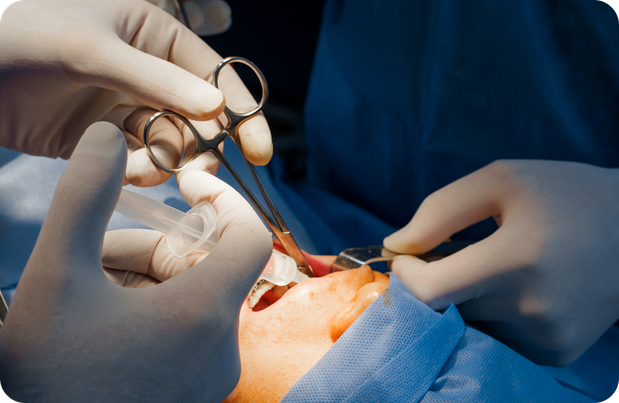
Suitability depends on facial anatomy, health, and expectations evaluated through an individual clinical assessment:
Patients must disclose medical history, smoking status, and medications completely. Conservative surgical planning avoids excessive hollowing.
Performed as a targeted intraoral operation, standard procedural stages include:
Examining cheek volume, skin quality, proportions, and verifying the fat pad contribution.
Reviewing surgical approach, limitations, potential risks, and securing informed consent.
Administering local anaesthesia, sedation, or general anaesthesia based on the clinical plan.
Making a small internal cheek incision while navigating carefully around facial nerves and ducts.
Removing a conservative portion of fat to preserve balance, closing with absorbable sutures, and post-op care guidance.
It removes a portion of buccal fat pads inside lower cheeks to reduce localized fullness in selected adults.
Buccal fat removal involves permanent changes to facial volume and requires careful anatomical analysis. Dr. Priyanka Sharma at Kaayantar provides expert consultations to help clarify whether cheek fullness stems from buccal fat and discusses safe, balanced surgical planning.
Clinic Address: Kaayantar, Ground Floor, Urban Canopy, Chhanalal Joshi Road, Sindhu Bhavan Marg, PRL Colony, Bodakdev, Ahmedabad, Gujarat 380058.