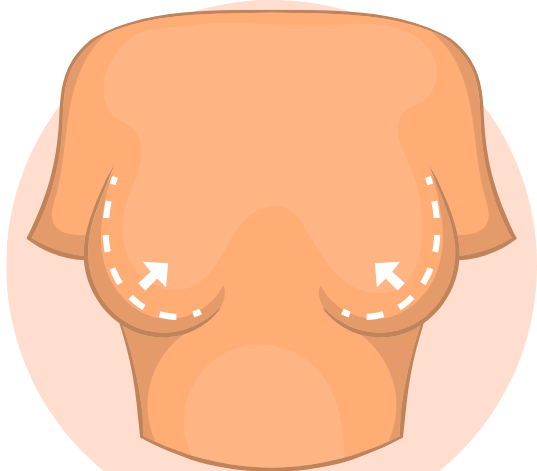
Breast Reduction Surgery in Ahmedabad

Breast Reduction Surgery in Ahmedabad

Reduction Mammoplasty
Relieve back & neck pain
Proportionate contours
Expert surgical care
Bespoke planning
Improved comfort

What Is Breast Reduction Surgery?

Breast reduction surgery, also known as reduction mammoplasty, is a surgical procedure that removes excess breast tissue, fat and skin to reduce breast size and weight. The procedure reshapes the breasts and repositions the nipples and areolas when required to create a breast size that is more proportionate to the body.

For some women, large breasts cause more than concerns about appearance. Their weight may contribute to persistent neck, shoulder and back pain, skin irritation beneath the breasts, difficulty exercising and discomfort when wearing certain clothes or bras. Breast reduction surgery may help relieve these problems while improving breast shape.

The surgical approach depends on breast size, skin elasticity, the amount of tissue to be removed and the patient's goals. During consultation, Dr. Priyanka Sharma can assess these factors and discuss whether breast reduction surgery is suitable.

Factors Affecting Breast Reduction Surgery

1
Amount of breast tissue and skin to be removed
2
Incision pattern and surgical technique utilized
3
Need for nipple-areola repositioning
4
Facility level and operating room duration
5
Type of anesthesia and hospitalization requirement
6
Patient's medical condition and recovery needs

Reasons to Consider Breast Reduction Surgery

Breast reduction may be considered when breast size causes physical discomfort, limits daily activities or creates concerns about body proportions.
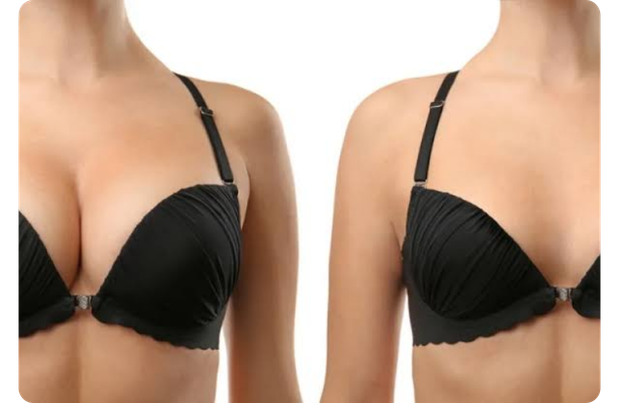
1. Neck, Shoulder & Back Pain

Heavy breasts strain the upper frame. Reducing volume helps relieve weight-driven discomfort, though individual relief varies.

2. Skin Irritation

Sweat and friction beneath large breasts cause rashes and irritation. Reduction makes skin maintenance easier and prevents friction.

3. Exercise & Activity

Breast weight can make running and routine movements uncomfortable. Reduction improves physical comfort during sports and workouts.

4. Clothing & Bra Fit

Finding well-fitting garments or bras can be challenging. Surgery brings proportions closer to preferred body lines.

5. Body Proportions

Breasts that look disproportionately large affect overall appearance and comfort. Reduction reshapes lines to suit your anatomy.

6. Breast Asymmetry

Size or shape differences can be targeted by tailoring tissue removal rates across each breast to optimize symmetry.
Consultation

Consult a Breast Reduction Specialist

Get expert advice on breast reduction surgery and find out if it is right for you.

Why Choose Dr. Priyanka Sharma for Breast Reduction Surgery

Breast reduction surgery may be considered by patients experiencing physical discomfort or concerns related to breast size. Consultation with Dr. Priyanka Sharma helps assess individual symptoms, discuss the expected changes, and explain the procedure, possible scars, recovery, and potential complications.

Assessment of Symptoms and Concerns
1. Assessment of Symptoms and Concerns

The consultation considers discomfort, skin irritation, activity limitations, breast size, and the patient's treatment goals.

Discussion of Surgical Techniques
2. Discussion of Surgical Techniques

Patients can learn about the incision patterns and surgical approaches that may be suitable for their anatomy.

Understanding Scars and Breast Changes
3. Understanding Scars and Breast Changes

The consultation covers expected scarring, changes in breast shape and sensation, and possible effects on breastfeeding.

Individualised Treatment Planning
4. Individualised Treatment Planning

The proposed procedure is considered in relation to breast anatomy, medical history, and the patient's expectations.

Postoperative Care Guidance
5. Postoperative Care Guidance

Information about wound care, support garments, activity restrictions, and follow-up helps patients prepare for recovery.

Dr. Priyanka Sharma - Specialist

Types of Breast Reduction Techniques

The appropriate technique depends on breast size, tissue volume, skin quality, nipple position and reshaping goals.

1. Anchor / Inverted-T Technique

Uses an incision around the areola, vertically down the breast, and along the crease. Ideal for substantial reduction and significant skin excess.

2. Vertical / Lollipop Technique

Uses an incision around the areola and vertically toward the breast crease. Suited for patients needing moderate reduction and reshaping.

3. Liposuction-Assisted Reduction

Considered when enlargement stems mostly from fatty tissue with great skin elasticity. Does not remove excess skin or lift like standard cuts.

Who May Be Suitable for Breast Reduction Surgery?

Breast Reduction Suitability

Suitability is established through medical evaluation rather than size alone. A patient may be considered if she:

  • Physical Pain: Experiences persistent neck, shoulder or back discomfort tied to heavy breasts.
  • Skin Issues: Has recurring skin irritation or rashes beneath the breast folds.
  • Lifestyle Limits: Finds size interferes with sports, general mobility or clothing fit.
  • Proportions: Possesses breasts disproportionately large relative to her body frame.
  • Asymmetry: Seeks correction for uneven breast dimensions or contours.
  • Expectations & Health: Maintains realistic views on scars/recovery and is medically fit for surgery.

Development should be complete. Weight modifications, pregnancy or future breastfeeding goals should be reviewed during consultation.

How Is Breast Reduction Surgery Performed?

The exact steps vary based on anatomy and selected incision methods. The standard roadmap includes:

Step 1: Consultation & Assessment

Reviewing medical history, symptoms, goals, skin quality, and tissue proportions to plan the optimal reduction approach.

Step 2: Surgical Planning

Mapping out incision designs, final size targets, potential scar routes, and considerations regarding nipple sensation.

Step 3: Preoperative Preparation

Performing required blood panels, breast imaging, medication reviews, and planning home recovery support.

Step 4: Anaesthesia & Incisions

Administering general anaesthesia followed by precise surgical incisions matching the agreed technique.

Step 5: Tissue Removal & Closure

Excising surplus skin/fat, reshaping structural tissue, repositioning the areola complex, closing incisions, and applying support dressings.

Frequently Asked Questions

1. How much does breast reduction cost?

Costs depend on tissue volume removed, technique applied, hospital facilities, and anesthetic fees evaluated during consultation.

2. Is breast reduction surgery painful?
3. How long does the surgery take?
4. Will the procedure leave scars?
5. How long is the recovery timeline?
6. Will it relieve back and shoulder pain?
7. Can it correct uneven breasts?
8. Will it affect breastfeeding?
9. Can breast size increase again?
10. When can I return to exercise?
11. Is breast reduction surgery safe?
12. How do I know if it's right for me?

Meet Dr. Priyanka Sharma at Kaayantar

If large breasts cause physical discomfort or affect your daily activities, a consultation can help you understand whether breast reduction surgery is an appropriate option. Dr. Priyanka Sharma assesses individual treatment goals, symptoms, and anatomy to design a custom surgical approach.

Clinic Address: Kaayantar, Ground Floor, Urban Canopy, Chhanalal Joshi Road, Sindhu Bhavan Marg, PRL Colony, Bodakdev, Ahmedabad, Gujarat 380058.